Case Study
Raptors at risk
Populations of some of our most powerful creatures - raptors - are threatened by lead ammunition
Populations of some of our most powerful creatures — raptors — are threatened by lead ammunition. With sharp vision, strong talons and hooked beaks, they are specially adapted to hunt animals like rabbits and rodents, and scavenge on dead animals. And as apex predators, birds of prey play a vital role in maintaining the health of ecosystems.
Lead from ammunition is poisoning these majestic aviators
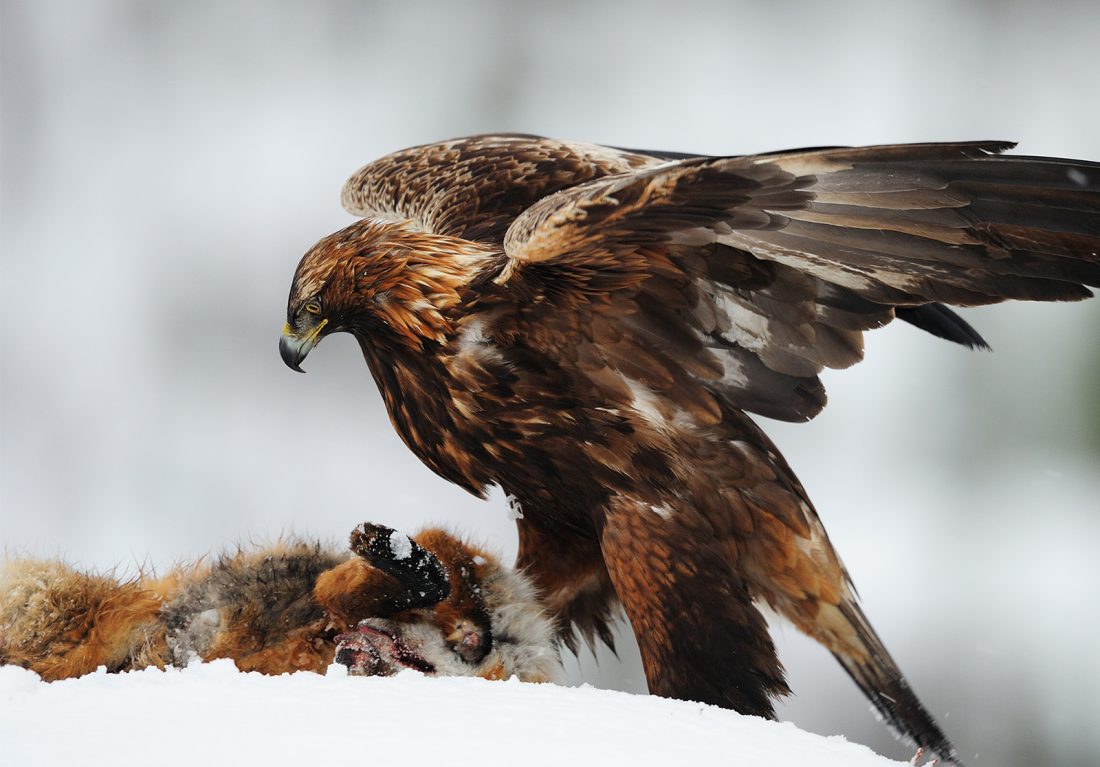
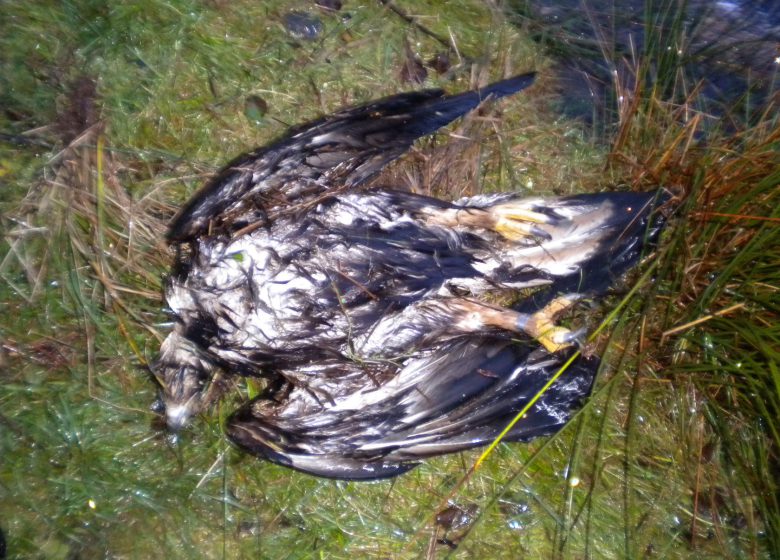
When birds like Golden Eagles scavenge on carcasses left behind by hunters, or eat animals that have been injured with fragments of toxic lead, they can get poisoned, and suffer slow, painful deaths.
Recent research from the University of Cambridge and Leibniz Institute for Zoo and Wildlife Research, shows the scale of impact.
It is estimated that poisoning from lead ammunition has resulted in an absence of around 55,000 adult birds across 10 raptor species from European skies.
The avoidable suffering and death of numerous individual raptors from lead poisoning should be sufficient to require the use of non-toxic alternatives. These population-level impacts make this both doubly important and urgent.

Professor Debbie Pain
University of Cambridge
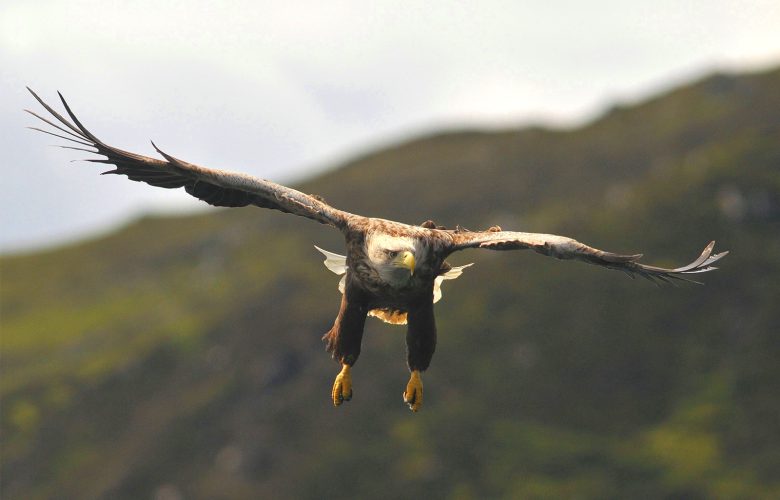
If it weren’t for lead ammunition, we would have more, and healthier, raptors. For example, Europe’s population of White-tailed Eagles would be 14% larger, and the Golden Eagle population would be 13% larger.
The poisoning of our magnificent raptors must stop. We can bring back these birds to our skies if we ban lead now.
Case Study